Authors: Gesche Bünker, Kim Kristin Ludwig, Annika Steppich, Emily Stiers
Edited by:
Last updated: June 18, 2026
Executive summary
Circular economy (CE) approaches help organizations reduce pressure on natural resources, limit waste and emissions, and align value creation with planetary boundaries. The article explains that CE goes beyond recycling: it requires systemic changes in product design, production, use, logistics, packaging, and end-of-life management. The R-principles—Refuse, Rethink, Reduce, Reuse, Repair, Refurbish, Remanufacture, Repurpose, Recover, and Recycle—provide practical guidance for narrowing, slowing, and closing material loops.
Existing CE tools offer useful support but often remain too complex, sector-specific, data-intensive, or insufficiently validated for everyday organizational use, especially for small and medium-sized enterprises. The reviewed approaches include urban circularity frameworks, circular business model tools, CE roadmapping methods, life cycle sustainability assessment, material flow modeling, 9R-based indices, SME readiness tools, self-assessments, and industrial symbiosis methods. Their strengths include structured evaluation, strategic orientation, visual feedback, and stakeholder engagement, while their limitations include high data requirements, limited scalability, unclear user guidance, and challenges in translating long-term visions into measurable short-term actions.
To address these gaps, the article introduces an Excel-based CE Assessment Tool that gives companies an accessible first evaluation of product circularity across the life cycle. The tool is organized into sheets for the start-of-design phase, product life phase, and end-of-life phase, with additional product life sections for production, labeling and packaging, logistics and transport, and usage. Companies answer qualitative questions linked to the R-principles and receive phase-specific scores as well as an overall CE-readiness score, supported by a traffic light system that highlights strengths and areas requiring action.
The tool is intended as a practical entry point, not as a replacement for a full life cycle assessment. It supports reflection, internal discussion, and prioritization by making circularity opportunities visible early in planning and product development. Its main limitations are reliance on self-assessment, the absence of objective benchmark data, limited industry-specific tailoring, and the need for further validation in real-world settings. Future improvements could include quantitative indicators, sector-specific benchmarks, and more detailed recommendations. Overall, the tool helps organizations start circular transformation processes by connecting CE principles with concrete product and process decisions.
1 Introduction
July 24 marks Earth Overshoot Day worldwide.1Global Footprint Network (in cooperation with York University). Press Release: Earth Overshoot Day 2025 falls on July 24. https://overshoot.footprintnetwork.org/newsroom/press-release-june-2025-english/. This date describes the day on which humanity has used all the resources worldwide that the planet can naturally regenerate within a year. Earth Overshoot Day is a reminder that the overuse of the Earth’s natural resources by humans has consequences: a massive decline in biodiversity, an excess of greenhouse gases in the atmosphere, and increased competition for food and energy. These trends continue despite global sustainability pledges, indicating that current production and consumption patterns remain misaligned with biophysical limits. In times of increasing environmental pressure, enterprises and governments are challenged to reduce waste or emissions while closing technical and biological loops.2Tefera, G. W., Ray, R., Kumar, N., Tarkegn, T. G. & Sarkar, R. Soil moisture in the Anthropocene: a tipping component in planetary boundary transgressions. Environ. Res. Lett. 20, 103002 (2025).
At the European level, political actors responded with the Circular Economy (CE) Action Plan, which is a central component of the European Green Deal as part of the Agenda 2030 and aims to decouple economic growth from resource use, while fostering innovation and competitiveness.3European Commission. Circular Economy Action Plan. European Commission – Environment https://environment.ec.europa.eu/strategy/circular-economy-action-plan_en.
Against this backdrop, new approaches are needed that support systemic change and offer practical pathways for CE implementation. This includes not only regulatory and financial instruments, but also conceptual frameworks and operational tools that can guide action on multiple levels. The aim of this paper is to support ongoing efforts toward more sustainable resource management by presenting a practical approach to addressing current challenges in this field.
2 Motivation and background
The concept of CE has gained attention in recent years as a response to the environmental, social, and economic shortcomings of the traditional linear economy.4Ghisellini, P., Cialani, C. & Ulgiati, S. A review on circular economy: the expected transition to a balanced interplay of environmental and economic systems. J. Clean. Prod. 114, 11–32 (2016). The Umweltbundesamt defines CE as part of a resource-efficient, sustainable way of life and management, encouraging the implementation of the UN’s Agenda 2030 for sustainable development and respecting planetary boundaries.5Felix Müller, Regina Kohlmeyer, Dr. Franziska Krüger, Jan Kosmol, Susann Krause, Conrad Dorer, & Mareike Röhreich. 9 Principles for Circular Economy. Div. III – Sustain. Prod. Prod. Waste Manag. (2020). It promotes the decoupling of economic growth from resource consumption by fostering closed-loop systems that prioritize the retention of materials, components, and products within the economic cycle for as long as possible.4Ghisellini, P., Cialani, C. & Ulgiati, S. A review on circular economy: the expected transition to a balanced interplay of environmental and economic systems. J. Clean. Prod. 114, 11–32 (2016). Core strategies include Refuse, Rethink, Reduce, Reuse, Repair, Refurbish, Remanufacture, Repurpose, and Recycle, known as the R-principles, supported by the integration of renewable energy sources and cascading energy flows.4Ghisellini, P., Cialani, C. & Ulgiati, S. A review on circular economy: the expected transition to a balanced interplay of environmental and economic systems. J. Clean. Prod. 114, 11–32 (2016).,6DIN – Deutsches Institut für Normung e. V. CIRCULAR THINKING in Standards – Wie Normung eine Circular Economy unterstützen kann. They represent a hierarchical and structured set of strategies for achieving circularity and can be categorized into three overarching groups, each corresponding to specific interventions in the product life cycle: narrowing the loop, slowing the loop, and closing the loop, shown in figure 1.7Deutsches Institut für Normung. Modell der R-Strategien. https://www.din.de/de/forschung-und-innovation/themen/circular-economy/normenrecherche/modell-der-r-strategien.
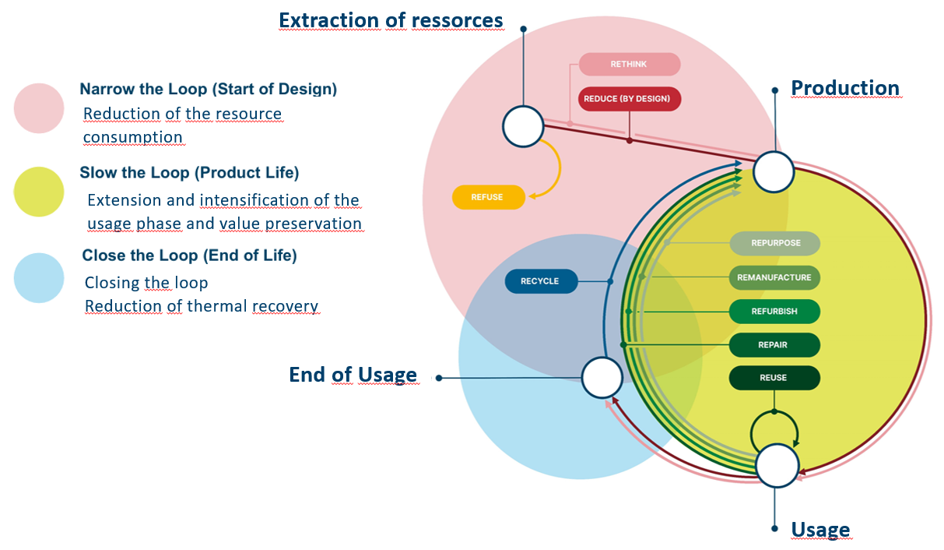
Figure 1: R-principles according to the DIN
Narrowing the loop aims to reduce the overall resource input at the very beginning of the value chain. One relevant strategy is Refuse, which refers to avoiding the use of products altogether or substituting them with more sustainable alternatives, such as digital solutions or shared services. Another strategy is Rethink, which involves redesigning products or business models in a way that enables fundamentally different and less resource-intensive patterns of use. The strategy of Reduce focuses on minimizing material and energy inputs during design and production. These strategies are primarily implemented during the early product development and design phase, where decisions have the most long-term impact on the environmental footprint of a product.6DIN – Deutsches Institut für Normung e. V. CIRCULAR THINKING in Standards – Wie Normung eine Circular Economy unterstützen kann.
Slowing the loop focuses on extending the useful life of products and components, thereby keeping them in the economic cycle for a longer period. This group of strategies includes Reuse, which refers to the repeated use of products for the same purpose. It also comprises Repair, through which defective components or functions are restored. Furthermore, Refurbish entails partial updates and upgrades that extend the usability of a product. The strategy of Remanufacture goes beyond this, as used products are fully reconstructed to a condition comparable to that of new ones. These strategies are most relevant during the use phase and require product designs that enable maintenance, modularity, and easy disassembly.6DIN – Deutsches Institut für Normung e. V. CIRCULAR THINKING in Standards – Wie Normung eine Circular Economy unterstützen kann.
Closing the loop is applied at the end of the product’s life and refers to the reintegration of materials into future production cycles. This group of strategies includes Repurpose, where products or components are used for new functions beyond their original purpose. It also includes Recycle, which entails processing materials in order to generate new raw materials. A further strategy is Recover, which focuses on extracting energy or raw materials from waste streams when no higher-value options are feasible. Closing the loop ensures that fewer materials exit the system entirely, reducing the need for virgin resource extraction and minimizing environmental burdens associated with disposal.6DIN – Deutsches Institut für Normung e. V. CIRCULAR THINKING in Standards – Wie Normung eine Circular Economy unterstützen kann.
Each R-strategy contributes differently to resource conservation and environmental performance, and their effectiveness depends on the stage at which they are applied within the product life cycle. While the more preventive strategies such as Refuse and Reduce generally yield the greatest ecological benefit, they also require fundamental changes in product design and consumption patterns. In contrast, end-of-life strategies such as recycling and recovery are often easier to implement but result in lower overall material retention and value preservation. The systematic integration of the R-principles into every phase of the product life cycle underlines the shift from linear end-of-pipe solutions toward a holistic, forward-thinking design of material and value flows. Rather than focusing solely on waste management, CE places emphasis on upstream interventions, enabling value retention from the outset. Thus, the R-principles not only provide conceptual guidance, but also offer a practical orientation for translating the abstract goals of circularity into concrete measures across industries and product systems.6DIN – Deutsches Institut für Normung e. V. CIRCULAR THINKING in Standards – Wie Normung eine Circular Economy unterstützen kann.
From a systems perspective, CE can be understood as an economy structured around production and consumption processes that aim to maximize the service derived from material and energy flows while respecting planetary boundaries and ecosystem regeneration rates.8Korhonen, J., Honkasalo, A. & Seppälä, J. Circular Economy: The Concept and its Limitations. Ecol. Econ. 143, 37–46 (2018). Through this systemic view, CE becomes more than a collection of recycling practices; it represents a profound shift in how economic systems are organized and how value creation is understood.
Furthermore, CE is increasingly embedded in policy frameworks and strategic agendas at both national and international levels. For instance, the European Commission’s Circular Economy Action Plan highlights CE as a central pillar of the European Green Deal, aiming to reduce pressure on natural resources while fostering economic competitiveness and innovation.3European Commission. Circular Economy Action Plan. European Commission – Environment https://environment.ec.europa.eu/strategy/circular-economy-action-plan_en. This political commitment underlines the systemic relevance of CE not only for environmental sustainability but also for industrial transformation and long-term resilience. This development highlights that CE is no longer merely a theoretical or niche concept but is evolving into a central strategy for sustainable development at the macroeconomic level. It is seen to reconcile economic progress with ecological integrity.
Nevertheless, the urgency to implement CE across industries and value chains remains high. Despite its growing popularity, the practical realization of CE remains limited. Companies often lack the necessary decision-making tools, especially in small and medium-sized enterprises (SMEs), where knowledge, time, and financial resources are scarce.9Rizos, V. et al. Implementation of Circular Economy Business Models by Small and Medium-Sized Enterprises (SMEs): Barriers and Enablers. Sustainability 8, 1212 (2016). Moreover, the translation of abstract CE principles into concrete, operational strategies poses a significant challenge in practice. Many existing tools are either highly sector-specific, overly complex, or insufficiently aligned with strategic sustainability goals. This results in a persistent gap between political ambition, theoretical frameworks, and practical implementation capacity.10Blomsma, F. & Brennan, G. The Emergence of Circular Economy: A New Framing Around Prolonging Resource Productivity. J. Ind. Ecol. 21, 603–614 (2017).
In response to this challenge, the motivation behind our work lies in supporting the practical integration of CE principles into organizational planning and decision-making. The need for accessible, life cycle-oriented instruments that help identify circular potentials at different product stages has become increasingly evident. Especially in early development phases, where decisions with long-term sustainability impacts are made, structured approaches to circularity are often lacking. To address this gap, a planning tool was developed that allows for the systematic assessment of CE measures across various phases of the product life cycle. Rather than relying on abstract metrics, the tool focuses on concrete and applicable actions. Its purpose is not to provide a comprehensive solution, but to support orientation, reflection, and prioritization. It aims to create awareness for circular opportunities and to offer a pragmatic entry point into CE planning. By encouraging early-stage reflection and structured evaluation, the tool contributes to overcoming one of the major barriers identified in CE research: the lack of practical applicability in real-world business contexts.
3 Existing tools/templates
The paper “Implementing CE: Evidence from Case Studies” from Liu et al. investigates what activities are essential for a successful implementation of CE and how these can lead to value creation.11Liu, Z., Clifton, N., Faqdani, H., Li, S. & Walpole, G. Implementing circular economy principles: evidence from multiple cases. Prod. Plan. Control 1–18 (2024) doi:10.1080/09537287.2024.2415417. The authors found three CE implementation scenarios. The first is the product-centric CE, which focuses on redesigning products for remanufacture or recycling. The second is the service-centric CE, which proposes a transition from product ownership to service models, e.g. leasing or sharing. Third, there is the system-centric CE, which creates regional or industrial systems for resource sharing or exchange. Each scenario is supported by its own set of tools.
In the past decade, the number of published articles about tools for the implementation of CE has increased. A systematic literature review shortlisted 13 tools to assess the state-of-the-art and identify the biggest gaps.12Bocken, N. M. P. Circular Business Model Innovation: New Avenues and Game Changers. in Business Model Innovation (ed. Aagaard, A.) 193–225 (Springer International Publishing, Cham, 2024). doi:10.1007/978-3-031-57511-2_7. The review states that even the best tools still need more practical application in real businesses, greater scalability across different industries, and comprehensive user guidance for independent use. The following section presents specific and well-evaluated frameworks, indicators, and tools.13Rotondo, B., Bakker, C., Balkenende, R. & Arquilla, V. Integrating Circular Economy Principles in the New Product Development Process: A Systematic Literature Review and Classification of Available Circular Design Tools. Sustainability 17, 4155 (2025).
“The Urban Circularity Assessment Framework (UCAF): a Framework for Planning, Monitoring, Evaluation, and Learning from CE Transitions in Cities” focuses on a broader approach.14Vanhuyse, F. The Urban Circularity Assessment Framework (UCAF): a Framework for Planning, Monitoring, Evaluation, and Learning from CE Transitions in Cities. Circ. Econ. Sustain. 4, 1069–1092 (2024). It was designed by Fedra Vanhuyse from the Stockholm Environment Institute in cooperation with government actors. It focuses on CE transition at an urban level. The framework was developed for municipalities, policymakers, and city stakeholders. It is a planning and evaluation tool based on the Theory of Change (ToC) methodology. The ToC clarifies intended impacts and unintended consequences. Therefore, the framework is practical guidance that includes checklists and indicators, which help cities visualize local material/energy/information flows and sustainability outcomes and how their CE strategies are implemented. The framework considers the triple bottom line (people, planet, profit), because it also emphasizes the opportunity of participation and societal impacts. Even though case studies in Sweden demonstrated practical applicability, the civil society focus is limited. The framework requires stakeholder engagement and depends on data availability, which makes it complex. There is also the risk that it is too conceptual and, together with bureaucratic requirements, not applicable to smaller municipalities with limited resources.
The Circular Business Model Mapping tool builds on the established Business Model Canvas (BMC).15Nußholz, J. L. K. A circular business model mapping tool for creating value from prolonged product lifetime and closed material loops. J. Clean. Prod. 197, 185–194 (2018). It is a tool for mapping value creation from prolonged product lifetimes and closed material loops. It should guide businesses and entrepreneurs in slowing loops (designing long-lasting products) and closing loops (enabling reuse and closed material loops). The Circular Business Model Canvas (CBMC) helps plan business models with loops and value retention as an extension of the established classic BMC, shown in Figure 2. The tool was designed for entrepreneurs to translate CE principles into viable business logic. It is only conceptual and needs quantitative validation.
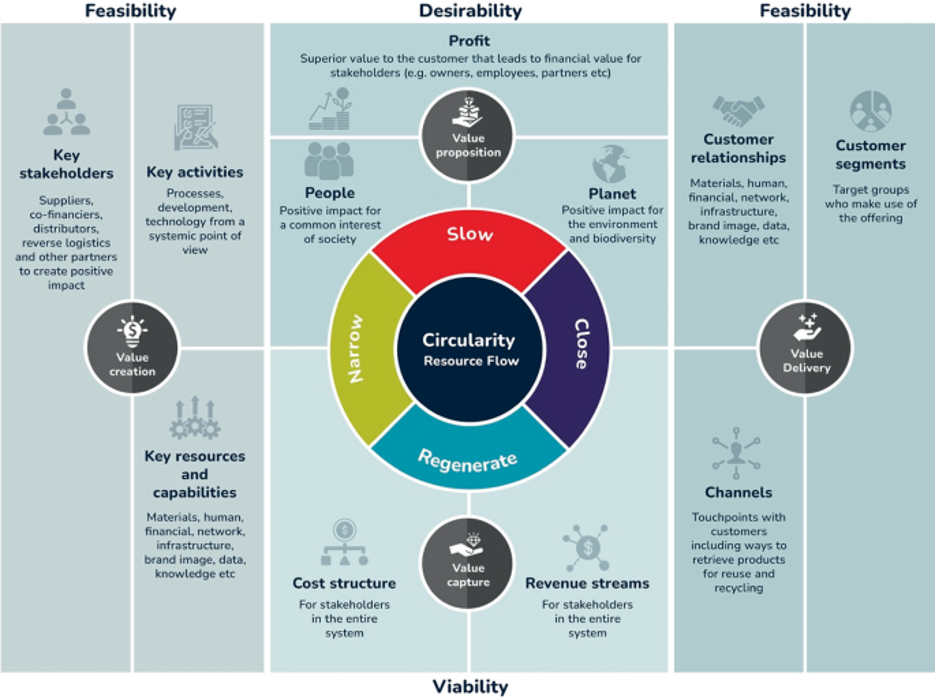
Figure 2: Circular Business Model Canvas
In “Developing a Strategic Methodology for Circular Economy Roadmapping: A Theoretical Framework” the authors Abu-Bakar and Charnley introduce another standardized framework for roadmapping CE transition across different levels (company or sector).16Abu-Bakar, H. & Charnley, F. Developing a Strategic Methodology for Circular Economy Roadmapping: A Theoretical Framework. Sustainability 16, 6682 (2024). It draws on so-called foundational pillars such as strategic management, systems thinking and sustainability science. The framework is structured in sequential phases, which include current-state assessment, vision and goal setting, strategy development, and implementation and monitoring. This way the framework stresses setting measurable indicators (KPIs) early on by using standards, data collection, and supervision. It also emphasizes engagement with relevant stakeholders, which means the effectiveness depends heavily on the involvement of governments and other stakeholders, which can be challenging for firms or sectors with less organizational capacity. Also, the pace of change and uncertainties (e.g. technology, regulation, and resource supply) means that the roadmap needs to be flexible and consider future scenarios. The authors remark that it is difficult for the reviewed organizations to link long-term strategic visions to measurable short-term actions or KPIs.
The Life Cycle Sustainability Assessment (LCSA) assesses environmental, social, and economic impacts of CE strategies.17Olalekan, E. I. et al. Life Cycle Sustainability Assessment. in Encyclopedia of Sustainable Management (eds Idowu, S. et al.) 1–11 (Springer International Publishing, Cham, 2023). doi:10.1007/978-3-030-02006-4_289-1. It is an integrated framework by Guinée et al. which can be used by policymakers and sustainability practitioners, shown in Figure 3. Challenges are that it is data-intensive, and social metrics are often uncertain. Complementing this, dynamic material flow modeling simulates CE scenarios over time.18Lin, R., Man, Y. & Ren, J. Life cycle decision support framework: Method and case study. in Life Cycle Sustainability Assessment for Decision-Making 175–204 (Elsevier, 2020). doi:10.1016/B978-0-12-818355-7.00009-9. It can forecast realistic return flows and infrastructure needs. However, it is complex and sensitive to assumptions about the product lifespan.19Pauliuk, S., Majeau‐Bettez, G., Mutel, C. L., Steubing, B. & Stadler, K. Lifting Industrial Ecology Modeling to a New Level of Quality and Transparency: A Call for More Transparent Publications and a Collaborative Open Source Software Framework. J. Ind. Ecol. 19, 937–949 (2015). It can anticipate realistic resource flows and infrastructure needs.
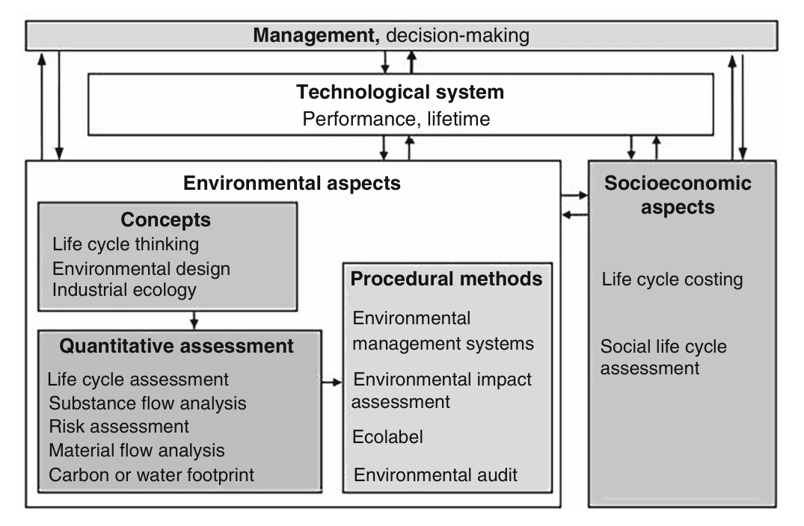
Figure 3: Life cycle sustainability assessment
Apart from the existing frameworks that help to plan an overall strategy there are tools for assessment which are sector- or product-specific.
In the study “Towards a holistic assessment of circular economy strategies: The 9R circularity index” the authors introduce the 9R circularity index which uses the Analytic Hierarchy Process (AHP) to assign objective weights to strategies based on the 9R hierarchy e.g., reuse is prioritized over recycling.20Muñoz, S., Hosseini, M. R. & Crawford, R. H. Towards a holistic assessment of circular economy strategies: The 9R circularity index. Sustain. Prod. Consum. 47, 400–412 (2024). It generates a score from 0 to 100 that helps to compare different products, organizations and systems. This tool can be used at multiple levels (materials, products, buildings, organizations, cities, nations). This approach sets the foundation for the development of our CE-Planning-Tool. Although the approach focuses on life cycle assessment (LCA), it does not account for product quality or consider differences in lifespan. And the tool focuses on assessment and does not give sector-specific improvement recommendations.
The SME Readiness Screening Tool for Eco-Innovation & Industrial Symbiosis was created by the Technical University of Denmark (DTU) as a practical diagnostic instrument to evaluate the preparedness of SMEs to adopt eco-innovation, e.g. greener products and process design, and industrial symbiosis, e.g., collaborating with other firms to exchange resources and materials. Thus, it should identify opportunities for SMEs before they invest resources in circular strategies. In contrast to other tools, this tool was developed and tested with 108 SMEs, which provides a structured step-by-step screening process and emphasizes collaboration across system boundaries. As the tool focuses on readiness, it diagnoses capacity but does not measure actual environmental or economic impact. Because it is designed for SMEs and a specific context (Northern Europe), it might not be applicable across all industries and regions.
The University of Lund created a self-assessment for product-oriented companies.21Claudelin, A., Järvelä, S., Uusitalo, V., Leino, M. & Linnanen, L. The Economic Potential to Support Sustainability through Household Consumption Choices. Sustainability 10, 3961 (2018). Advantages are that it is easy to use, gives visual feedback and supports decision-making. Furthermore, there is a self-assessment for hotels. Because the hospitality industry operates in the service sector, the tool analyzes five dimensions. The tool also works with a scoring system, which we use for our tool. It comes with good-practice guidance that is beneficial for benchmarking. Also, for cities there is the CCRI Self-Assessment tool. Like our tool, it is Excel-based and supports monitoring and strategy development.
The Circular Economy Indicator Prototype (CEIP) is a questionnaire-based scoring model that evaluates the circularity potential of products during the design phase.5Felix Müller, Regina Kohlmeyer, Dr. Franziska Krüger, Jan Kosmol, Susann Krause, Conrad Dorer, & Mareike Röhreich. 9 Principles for Circular Economy. Div. III – Sustain. Prod. Prod. Waste Manag. (2020). It should identify circular design opportunities before the detailed development of the product. The lack of quantitative depth and objectivity is criticized because of the generic, non-industry-specific questions.
Lastly, Di Pasquale et al. developed the Industrial Symbiosis Planning Method for industrial parks.22Di Pasquale, V. et al. Analysis of Strategies and Models for Industrial Symbiosis in Manufacturing Ecosystems. in Advances in Remanufacturing (eds Fera, M., Caterino, M., Macchiaroli, R. & Pham, D. T.) 317–328 (Springer Nature Switzerland, Cham, 2024). doi:10.1007/978-3-031-52649-7_25. This matching and evaluation framework is intended to connect waste and other by-products between firms. This should help not only one firm but also enable a local industrial symbiosis. Therefore, it unlocks secondary resource flows, which can reduce emissions and costs. Legal and data-related barriers can occur. It is also very context-specific, which makes it less transferable.
The systematic literature review also proposes criteria for future tool development.12Bocken, N. M. P. Circular Business Model Innovation: New Avenues and Game Changers. in Business Model Innovation (ed. Aagaard, A.) 193–225 (Springer International Publishing, Cham, 2024). doi:10.1007/978-3-031-57511-2_7. A good tool should be rigorously developed based on academic literature. The tool should integrate multiple disciplines, business as well as environmental knowledge. The tool should get refined through various testing rounds in real settings (empirical validation) to test whether it is practical and does not require excessive resources. The tool should give clear instructions and work across different industries or company sizes. For our tool, we realized that it is adaptable to different sectors and easy to handle. It ensures the outcomes align with sustainability and CE goals and should motivate improvement processes. The tool did not consider that multiple disciplines should participate in the development process of the tool and that it must be validated in real-world settings.
4 New tool
Building on the existing approaches and assessment instruments for CE presented in Section 3, the following section introduces the tool we developed. It is designed to evaluate the circularity of products across their entire life cycle and aims to provide companies with an initial, practical, and easy-to-use orientation.
4.1 Objective of the tool
The developed Excel-based tool aims to provide companies with a structured way to assess the circularity of their products across the entire life cycle. It is not intended to replace a full LCA, but rather to provide a practical first evaluation that makes strengths, weaknesses, and concrete areas for improvement visible. At its core, the tool is designed to create transparency regarding which phases of a product are already compatible with CE and to show potential for optimization. Accordingly, the tool serves both as an instrument for assessing circularity and as a basis for identifying areas for action and improvement opportunities.
By systematically capturing questions based on the R-principles of the CE, companies can critically evaluate their current strategies and derive initial development measures. The tool thus also serves as a discussion and learning aid, enabling companies to reflect on results, identify areas that require action, and discuss possible improvements.
4.2 Structure and function of the tool
The tool is structured into different sheets that represent the phases of the product life cycle. To use this tool to its full extent, it is important that macros are enabled when opening the tool. In the introductory sheet Circular Economy Score, the application of the tool is explained. At this stage, the company selects its operating industry, which ensures that the recommendations provided later are tailored to the specific sector. After answering all questions, the results are consolidated in this sheet and presented as an overall score that quantifies the circularity of the product. For greater clarity, each life cycle phase additionally receives its own interim score, which is visualized using a traffic light system. Green indicates a high level of circularity, yellow represents a medium level, and red signals a strong need for improvement. This visualization makes it easier to identify the phases with the greatest need for action. The overall score itself is also color-coded.
The company then proceeds through the different sheets, which represent the various stages of the product life cycle. The tool is based on scientific approaches for assessing circularity along the life cycle of a product. The life cycle is commonly divided into the phases of design, production, usage and end of life, which provides a solid and practice-oriented structure for the tool. Accordingly, the tool is structured into three main phases, following the DIN standards: the start-of-design phase, the Product life phase, and the end-of-life phase.6DIN – Deutsches Institut für Normung e. V. CIRCULAR THINKING in Standards – Wie Normung eine Circular Economy unterstützen kann. Each of these sheets contains phase-specific questions that are answered using qualitative categories (e.g., low, medium, or high).
The development of the questions is also based on the R-principles, which serve as a systematic guideline for the CE. These principles range from Refuse, Rethink, and Reduce at the beginning of the product life cycle, through Reuse, Repair, Refurbish, and Remanufacture during the production and usage phase, to Repurpose and Recycle at the end of the life cycle. In each life cycle phase, the relevant principles are addressed and translated into concrete assessment questions. In this way, the tool aims to reflect the broad spectrum of the CE.6DIN – Deutsches Institut für Normung e. V. CIRCULAR THINKING in Standards – Wie Normung eine Circular Economy unterstützen kann.
The answers are then consolidated into a phase-specific interim score, ensuring that all phases contribute to the overall circularity assessment. While the CE score on the first sheet provides an overview of the individual life cycle phases, the phase-specific sheets offer a detailed view of each phase. Each response option is color-coded (green, yellow, or red), making it easy to see which aspects are well implemented and where there is significant room for improvement.
At the end of the questionnaire process, the Improvement sheet follows. Depending on the selected industry on the first sheet, it displays only the recommendations relevant to the respective company. This increases clarity, as not all recommendations for all industries are shown simultaneously. For each of the R-principles across the entire product life cycle, a sample recommendation is provided, giving companies concrete guidance on how the principles of the CE can be applied in each phase. The suggestions are deliberately presented as examples to illustrate the functionality of the tool.
The following subsections take a closer look at the individual sheets, each corresponding to a phase of the product’s life cycle. The questions in these sheets allow for a structured assessment of circularity and form the basis for actionable recommendations.
4.2.1 Start of design phase
The Start of Design sheet focuses on the design phase of the product. It includes questions related to materials, modularity, and product design. In addition, the sheet contains questions specifically related to the R-principles Refuse, Rethink, and Reduce, which are associated with the start-of-design phase.
The purpose of this sheet is to assess the current state and, based on that, identify early-stage potential for improvement in the design phase, as decisions made at this stage significantly influence the product’s overall circularity. The R-principles questions are intended to encourage the company to critically reflect on the current state and actively consider possible changes or optimizations in the design phase. In this way, the sheet promotes proactive thinking about circularity and improvement opportunities right at the beginning of the product life cycle. Furthermore, the sheet serves as a basis for deriving concrete recommendations, for example, regarding material choices, and supports companies in systematically implementing design-related optimizations.
4.2.2 Product life phase
The product life phase is further divided into four areas: Production, Labeling and Packaging, Logistics and Transport, and Usage. This division serves to provide better clarity and to highlight that not only production and usage are relevant for circularity but also labeling/packaging and logistics/transport play an important role throughout the product life cycle.
4.2.2.1 Production
The Production sheet focuses on the production phase and captures key aspects that influence circularity during manufacturing. It includes questions on topics such as energy and resource efficiency, waste management, as well as production processes and emissions. In addition, this sheet incorporates questions related to the R-principles, which apply to the entire product life cycle rather than exclusively to production. These are the R-principles of Reuse, Repair, Refurbish, and Remanufacture.
The aim of this sheet is to analyze the current state of the production phase and, based on this analysis, identify optimization potential in order to derive practical recommendations for reducing energy and material consumption, waste, or emissions. Furthermore, the questions regarding the R-principles are designed to encourage companies to think beyond the current state and to explore opportunities for reuse, repair, refurbishment, or remanufacturing.
4.2.2.2 Labelling and packaging
The integration of labeling and packaging as a separate sheet within the product life phase is important because it plays a central role in CE practices. While packaging protects products from damage, it also generates significant material use and waste and largely determines the possibilities for recycling and reuse. At the same time, clear and sustainable labeling can raise user awareness and encourage responsible handling of the product and its packaging. Thus, this area affects both the product’s environmental impact and user behavior with regard to circularity.
The Labeling & Packaging sheet includes questions on topics such as material selection and the use of environmentally friendly or reusable packaging solutions. In addition, aspects like waste generation and energy consumption are addressed. The aim of the sheet is to assess the company’s current practices in packaging and labeling and, based on this assessment, identify opportunities for improvement. This enables companies to develop more sustainable packaging strategies, optimize material and waste use, increase recyclability, and promote responsible handling of the product and its packaging through clear labeling.
4.2.2.3 Logistics and transport
The logistics and transport area is presented as a separate sheet within the product life phase, because logistical processes have a significant impact on a product’s environmental performance and circularity. Decisions regarding transport routes, modes of transportation, and the organization of logistics operations directly affect energy consumption, CO₂ emissions, and resource use, and thus largely determine how sustainable a product is along the supply chain.
The Logistics & Transport sheet includes questions on energy consumption and efficiency, waste generation, CO₂ emissions, as well as the type and utilization of transport modes. In addition, optimization of transport routes, location choices, transport distances, and the scope and CO₂ efficiency of reverse logistics are considered. The aim is to assess the circularity and ecological performance of transport and logistics processes and to identify opportunities for improvement.
4.2.2.4 Usage
The Usage sheet addresses the use phase of the product and includes questions on durability and reliability, such as warranty systems and product lifetime compared to competitors. It also considers aspects of product care and preservation, including frequency of complaints, maintenance and repair options, as well as refillability and reusability of consumables. In addition, the sheet captures energy consumption and waste generation during use, as well as the support provided to customers for product return, repair, or upgrade options at the end of the usage phase.
The aim is to assess the use phase in terms of product longevity, resource efficiency, and waste reduction, and to identify potential areas for improvement. This enables companies to design products that are more durable, easier to maintain, and more resource-efficient, while also engaging customers more effectively in circular processes.
4.2.3 End of life phase
The End of Life sheet includes questions that are crucial for a product’s circularity at the end of its life. It covers topics related to waste management, such as the share of waste intended for recovery or disposal, as well as the scalability of closed-loop processes. In addition, questions related to the R-principles Repurpose and Recycle are included, addressing the adaptation of existing products or components for new or alternative uses, the sortability and quality of recycled materials, and the return and recycling options available to customers.
The aim of the sheet is to systematically assess the current state and to identify potential for improvement early in the end-of-life phase, as decisions and measures at this stage are critical for ensuring that products and materials are either reintegrated into the CE or disposed of responsibly. The Repurpose and Recycle questions further encourage companies to actively consider the implementation of effective take-back and recycling processes, as well as alternative reuse options, in order to enhance circularity at the end of a product’s life.
4.3 Scoring system of the tool
The scoring is based on the responses to the questions in the individual sheets. These responses are classified into qualitative categories, such as low, medium, or high and then converted into numerical values. Responses indicating a high level of circularity are assigned the number three and shown in green. Medium circularity is assigned the number two and displayed in yellow, while significant improvement potential is assigned the number one and shown in red. For each sheet, a phase-specific interim score is calculated, which appears in yellow if the company reaches at least half of the maximum achievable points. If it achieves fewer points, this is displayed in red. It turns green when two-thirds of the maximum achievable points have been obtained. This approach allows strengths and weaknesses along the product life cycle to be clearly identified. The interim scores from all phases are then aggregated into a final CE-Readiness Score, which is displayed in the Circular Economy Score Sheet. The color of the overall score is determined according to the same rules as the phase-specific scores. The circle of the overall score appears yellow if the company reaches at least half of the maximum achievable points. It turns green when two-thirds of the maximum achievable points have been obtained; otherwise, it is displayed in red.
4.4 Limitations of the tool
Although the developed CE Assessment Tool provides companies with an initial orientation for evaluating the circularity of their products, there are certain limitations. It is intentionally designed as an entry-level tool that primarily highlights broad strengths, weaknesses, and potential areas for improvement, but it does not replace a comprehensive life cycle assessment.
Furthermore, while the tool accounts for differences in the displayed improvements through the selection of an industry, these are currently only presented as examples. For practical application, a more detailed and thorough development would be required, taking into account both industry-specific requirements and product-specific characteristics. This applies not only to the recommendations in the Improvement sheet but also to the questions in the phase-specific sheets, which could be designed in a more industry-specific way in the future to produce more precise results.
In addition, the questions are answered by the companies themselves, which can introduce subjective bias. As the tool does not provide objective reference values or industry-specific benchmark data, companies must evaluate the questions themselves and categorize them qualitatively as low, medium, or high. Whether an aspect is assessed as appropriate for circularity or in need of improvement therefore depends entirely on the company’s own perception and experience. Without external validation or reliable data, there is a risk of limited objectivity and comparability. A possible future enhancement of the tool could involve integrating industry-specific benchmark data, allowing companies to input concrete figures, such as energy consumption, material use, or waste volumes, so that the tool can objectively assess whether a value can be considered appropriate for circularity. In its current form, however, the tool currently serves as a rough initial assessment, providing a practical, application-oriented guide.
5 Conclusion
The CE Assessment Tool provides companies with a structured and easily accessible framework to evaluate the circularity of their products across the entire life cycle. By systematically examining each phase, the tool makes strengths, weaknesses, and potential areas for improvement visible. At the same time, the tool integrates the R-principles of the CE, encouraging companies to reflect on and optimize their products and processes accordingly.
While the tool does not replace a comprehensive life cycle analysis, it offers a practical entry point and delivers an initial orientation. The qualitative assessment and visual feedback enable companies to quickly identify the phases with the greatest need for action. Furthermore, the tool lays the foundation for potential enhancements, such as the integration of industry-specific benchmarks and quantitative data for a more objective evaluation.
Beyond its immediate application, the tool also highlights the systemic importance of the CE as a transformative paradigm. CE is increasingly regarded as a central strategy to reconcile economic growth with ecological limits by decoupling value creation from finite resource consumption. Its implementation fosters resilience, innovation, and competitiveness while simultaneously reducing environmental pressures such as biodiversity loss, waste generation, and greenhouse gas emissions.
In this context, the tool contributes to bridging the gap between theoretical CE frameworks and practical application in business contexts. By offering clear guidance and structured evaluation methods, it provides SMEs, in particular, with a pragmatic instrument to initiate circular transformation processes despite limited resources.
Nevertheless, the current version of the tool is subject to certain limitations, such as the reliance on self-assessment, the absence of industry-specific benchmarks, and the lack of external validation. Addressing these limitations in future developments could significantly enhance its reliability and comparability, thereby increasing its relevance as a decision-making instrument for companies across different sectors.
Overall, the tool serves as both an assessment and learning instrument, enabling companies to critically review current processes, identify improvement opportunities, and adopt a more circular approach throughout the entire product life cycle. By fostering transparency, reflection, and structured decision-making, the tool supports the broader objectives of the CE and thereby contributes to systemic change toward sustainable resource management within planetary boundaries.
References
- 1Global Footprint Network (in cooperation with York University). Press Release: Earth Overshoot Day 2025 falls on July 24. https://overshoot.footprintnetwork.org/newsroom/press-release-june-2025-english/. ↩︎
- 2Tefera, G. W., Ray, R., Kumar, N., Tarkegn, T. G. & Sarkar, R. Soil moisture in the Anthropocene: a tipping component in planetary boundary transgressions. Environ. Res. Lett. 20, 103002 (2025). ↩︎
- 3European Commission. Circular Economy Action Plan. European Commission – Environment https://environment.ec.europa.eu/strategy/circular-economy-action-plan_en. ↩︎
- 4Ghisellini, P., Cialani, C. & Ulgiati, S. A review on circular economy: the expected transition to a balanced interplay of environmental and economic systems. J. Clean. Prod. 114, 11–32 (2016). ↩︎
- 5Felix Müller, Regina Kohlmeyer, Dr. Franziska Krüger, Jan Kosmol, Susann Krause, Conrad Dorer, & Mareike Röhreich. 9 Principles for Circular Economy. Div. III – Sustain. Prod. Prod. Waste Manag. (2020). ↩︎
- 4Ghisellini, P., Cialani, C. & Ulgiati, S. A review on circular economy: the expected transition to a balanced interplay of environmental and economic systems. J. Clean. Prod. 114, 11–32 (2016). ↩︎
- 4Ghisellini, P., Cialani, C. & Ulgiati, S. A review on circular economy: the expected transition to a balanced interplay of environmental and economic systems. J. Clean. Prod. 114, 11–32 (2016). ↩︎
- 6DIN – Deutsches Institut für Normung e. V. CIRCULAR THINKING in Standards – Wie Normung eine Circular Economy unterstützen kann. ↩︎
- 7Deutsches Institut für Normung. Modell der R-Strategien. https://www.din.de/de/forschung-und-innovation/themen/circular-economy/normenrecherche/modell-der-r-strategien. ↩︎
- 6DIN – Deutsches Institut für Normung e. V. CIRCULAR THINKING in Standards – Wie Normung eine Circular Economy unterstützen kann. ↩︎
- 6DIN – Deutsches Institut für Normung e. V. CIRCULAR THINKING in Standards – Wie Normung eine Circular Economy unterstützen kann. ↩︎
- 6DIN – Deutsches Institut für Normung e. V. CIRCULAR THINKING in Standards – Wie Normung eine Circular Economy unterstützen kann. ↩︎
- 6DIN – Deutsches Institut für Normung e. V. CIRCULAR THINKING in Standards – Wie Normung eine Circular Economy unterstützen kann. ↩︎
- 8Korhonen, J., Honkasalo, A. & Seppälä, J. Circular Economy: The Concept and its Limitations. Ecol. Econ. 143, 37–46 (2018). ↩︎
- 3European Commission. Circular Economy Action Plan. European Commission – Environment https://environment.ec.europa.eu/strategy/circular-economy-action-plan_en. ↩︎
- 9Rizos, V. et al. Implementation of Circular Economy Business Models by Small and Medium-Sized Enterprises (SMEs): Barriers and Enablers. Sustainability 8, 1212 (2016). ↩︎
- 10Blomsma, F. & Brennan, G. The Emergence of Circular Economy: A New Framing Around Prolonging Resource Productivity. J. Ind. Ecol. 21, 603–614 (2017). ↩︎
- 11Liu, Z., Clifton, N., Faqdani, H., Li, S. & Walpole, G. Implementing circular economy principles: evidence from multiple cases. Prod. Plan. Control 1–18 (2024) doi:10.1080/09537287.2024.2415417. ↩︎
- 12Bocken, N. M. P. Circular Business Model Innovation: New Avenues and Game Changers. in Business Model Innovation (ed. Aagaard, A.) 193–225 (Springer International Publishing, Cham, 2024). doi:10.1007/978-3-031-57511-2_7. ↩︎
- 13Rotondo, B., Bakker, C., Balkenende, R. & Arquilla, V. Integrating Circular Economy Principles in the New Product Development Process: A Systematic Literature Review and Classification of Available Circular Design Tools. Sustainability 17, 4155 (2025). ↩︎
- 14Vanhuyse, F. The Urban Circularity Assessment Framework (UCAF): a Framework for Planning, Monitoring, Evaluation, and Learning from CE Transitions in Cities. Circ. Econ. Sustain. 4, 1069–1092 (2024). ↩︎
- 15Nußholz, J. L. K. A circular business model mapping tool for creating value from prolonged product lifetime and closed material loops. J. Clean. Prod. 197, 185–194 (2018). ↩︎
- 16Abu-Bakar, H. & Charnley, F. Developing a Strategic Methodology for Circular Economy Roadmapping: A Theoretical Framework. Sustainability 16, 6682 (2024). ↩︎
- 17Olalekan, E. I. et al. Life Cycle Sustainability Assessment. in Encyclopedia of Sustainable Management (eds Idowu, S. et al.) 1–11 (Springer International Publishing, Cham, 2023). doi:10.1007/978-3-030-02006-4_289-1. ↩︎
- 18Lin, R., Man, Y. & Ren, J. Life cycle decision support framework: Method and case study. in Life Cycle Sustainability Assessment for Decision-Making 175–204 (Elsevier, 2020). doi:10.1016/B978-0-12-818355-7.00009-9. ↩︎
- 19Pauliuk, S., Majeau‐Bettez, G., Mutel, C. L., Steubing, B. & Stadler, K. Lifting Industrial Ecology Modeling to a New Level of Quality and Transparency: A Call for More Transparent Publications and a Collaborative Open Source Software Framework. J. Ind. Ecol. 19, 937–949 (2015). ↩︎
- 20Muñoz, S., Hosseini, M. R. & Crawford, R. H. Towards a holistic assessment of circular economy strategies: The 9R circularity index. Sustain. Prod. Consum. 47, 400–412 (2024). ↩︎
- 21Claudelin, A., Järvelä, S., Uusitalo, V., Leino, M. & Linnanen, L. The Economic Potential to Support Sustainability through Household Consumption Choices. Sustainability 10, 3961 (2018). ↩︎
- 5Felix Müller, Regina Kohlmeyer, Dr. Franziska Krüger, Jan Kosmol, Susann Krause, Conrad Dorer, & Mareike Röhreich. 9 Principles for Circular Economy. Div. III – Sustain. Prod. Prod. Waste Manag. (2020). ↩︎
- 22Di Pasquale, V. et al. Analysis of Strategies and Models for Industrial Symbiosis in Manufacturing Ecosystems. in Advances in Remanufacturing (eds Fera, M., Caterino, M., Macchiaroli, R. & Pham, D. T.) 317–328 (Springer Nature Switzerland, Cham, 2024). doi:10.1007/978-3-031-52649-7_25. ↩︎
- 12Bocken, N. M. P. Circular Business Model Innovation: New Avenues and Game Changers. in Business Model Innovation (ed. Aagaard, A.) 193–225 (Springer International Publishing, Cham, 2024). doi:10.1007/978-3-031-57511-2_7. ↩︎
- 6DIN – Deutsches Institut für Normung e. V. CIRCULAR THINKING in Standards – Wie Normung eine Circular Economy unterstützen kann. ↩︎
- 6DIN – Deutsches Institut für Normung e. V. CIRCULAR THINKING in Standards – Wie Normung eine Circular Economy unterstützen kann. ↩︎
- 1Global Footprint Network (in cooperation with York University). Press Release: Earth Overshoot Day 2025 falls on July 24. https://overshoot.footprintnetwork.org/newsroom/press-release-june-2025-english/. ↩︎
- 2Tefera, G. W., Ray, R., Kumar, N., Tarkegn, T. G. & Sarkar, R. Soil moisture in the Anthropocene: a tipping component in planetary boundary transgressions. Environ. Res. Lett. 20, 103002 (2025). ↩︎
- 3European Commission. Circular Economy Action Plan. European Commission – Environment https://environment.ec.europa.eu/strategy/circular-economy-action-plan_en. ↩︎
- 4Ghisellini, P., Cialani, C. & Ulgiati, S. A review on circular economy: the expected transition to a balanced interplay of environmental and economic systems. J. Clean. Prod. 114, 11–32 (2016). ↩︎
- 5Felix Müller, Regina Kohlmeyer, Dr. Franziska Krüger, Jan Kosmol, Susann Krause, Conrad Dorer, & Mareike Röhreich. 9 Principles for Circular Economy. Div. III – Sustain. Prod. Prod. Waste Manag. (2020). ↩︎
- 4Ghisellini, P., Cialani, C. & Ulgiati, S. A review on circular economy: the expected transition to a balanced interplay of environmental and economic systems. J. Clean. Prod. 114, 11–32 (2016). ↩︎
- 4Ghisellini, P., Cialani, C. & Ulgiati, S. A review on circular economy: the expected transition to a balanced interplay of environmental and economic systems. J. Clean. Prod. 114, 11–32 (2016). ↩︎
- 6DIN – Deutsches Institut für Normung e. V. CIRCULAR THINKING in Standards – Wie Normung eine Circular Economy unterstützen kann. ↩︎
- 7Deutsches Institut für Normung. Modell der R-Strategien. https://www.din.de/de/forschung-und-innovation/themen/circular-economy/normenrecherche/modell-der-r-strategien. ↩︎
- 6DIN – Deutsches Institut für Normung e. V. CIRCULAR THINKING in Standards – Wie Normung eine Circular Economy unterstützen kann. ↩︎
- 6DIN – Deutsches Institut für Normung e. V. CIRCULAR THINKING in Standards – Wie Normung eine Circular Economy unterstützen kann. ↩︎
- 6DIN – Deutsches Institut für Normung e. V. CIRCULAR THINKING in Standards – Wie Normung eine Circular Economy unterstützen kann. ↩︎
- 6DIN – Deutsches Institut für Normung e. V. CIRCULAR THINKING in Standards – Wie Normung eine Circular Economy unterstützen kann. ↩︎
- 8Korhonen, J., Honkasalo, A. & Seppälä, J. Circular Economy: The Concept and its Limitations. Ecol. Econ. 143, 37–46 (2018). ↩︎
- 3European Commission. Circular Economy Action Plan. European Commission – Environment https://environment.ec.europa.eu/strategy/circular-economy-action-plan_en. ↩︎
- 9Rizos, V. et al. Implementation of Circular Economy Business Models by Small and Medium-Sized Enterprises (SMEs): Barriers and Enablers. Sustainability 8, 1212 (2016). ↩︎
- 10Blomsma, F. & Brennan, G. The Emergence of Circular Economy: A New Framing Around Prolonging Resource Productivity. J. Ind. Ecol. 21, 603–614 (2017). ↩︎
- 11Liu, Z., Clifton, N., Faqdani, H., Li, S. & Walpole, G. Implementing circular economy principles: evidence from multiple cases. Prod. Plan. Control 1–18 (2024) doi:10.1080/09537287.2024.2415417. ↩︎
- 12Bocken, N. M. P. Circular Business Model Innovation: New Avenues and Game Changers. in Business Model Innovation (ed. Aagaard, A.) 193–225 (Springer International Publishing, Cham, 2024). doi:10.1007/978-3-031-57511-2_7. ↩︎
- 13Rotondo, B., Bakker, C., Balkenende, R. & Arquilla, V. Integrating Circular Economy Principles in the New Product Development Process: A Systematic Literature Review and Classification of Available Circular Design Tools. Sustainability 17, 4155 (2025). ↩︎
- 14Vanhuyse, F. The Urban Circularity Assessment Framework (UCAF): a Framework for Planning, Monitoring, Evaluation, and Learning from CE Transitions in Cities. Circ. Econ. Sustain. 4, 1069–1092 (2024). ↩︎
- 15Nußholz, J. L. K. A circular business model mapping tool for creating value from prolonged product lifetime and closed material loops. J. Clean. Prod. 197, 185–194 (2018). ↩︎
- 16Abu-Bakar, H. & Charnley, F. Developing a Strategic Methodology for Circular Economy Roadmapping: A Theoretical Framework. Sustainability 16, 6682 (2024). ↩︎
- 17Olalekan, E. I. et al. Life Cycle Sustainability Assessment. in Encyclopedia of Sustainable Management (eds Idowu, S. et al.) 1–11 (Springer International Publishing, Cham, 2023). doi:10.1007/978-3-030-02006-4_289-1. ↩︎
- 18Lin, R., Man, Y. & Ren, J. Life cycle decision support framework: Method and case study. in Life Cycle Sustainability Assessment for Decision-Making 175–204 (Elsevier, 2020). doi:10.1016/B978-0-12-818355-7.00009-9. ↩︎
- 19Pauliuk, S., Majeau‐Bettez, G., Mutel, C. L., Steubing, B. & Stadler, K. Lifting Industrial Ecology Modeling to a New Level of Quality and Transparency: A Call for More Transparent Publications and a Collaborative Open Source Software Framework. J. Ind. Ecol. 19, 937–949 (2015). ↩︎
- 20Muñoz, S., Hosseini, M. R. & Crawford, R. H. Towards a holistic assessment of circular economy strategies: The 9R circularity index. Sustain. Prod. Consum. 47, 400–412 (2024). ↩︎
- 21Claudelin, A., Järvelä, S., Uusitalo, V., Leino, M. & Linnanen, L. The Economic Potential to Support Sustainability through Household Consumption Choices. Sustainability 10, 3961 (2018). ↩︎
- 5Felix Müller, Regina Kohlmeyer, Dr. Franziska Krüger, Jan Kosmol, Susann Krause, Conrad Dorer, & Mareike Röhreich. 9 Principles for Circular Economy. Div. III – Sustain. Prod. Prod. Waste Manag. (2020). ↩︎
- 22Di Pasquale, V. et al. Analysis of Strategies and Models for Industrial Symbiosis in Manufacturing Ecosystems. in Advances in Remanufacturing (eds Fera, M., Caterino, M., Macchiaroli, R. & Pham, D. T.) 317–328 (Springer Nature Switzerland, Cham, 2024). doi:10.1007/978-3-031-52649-7_25. ↩︎
- 12Bocken, N. M. P. Circular Business Model Innovation: New Avenues and Game Changers. in Business Model Innovation (ed. Aagaard, A.) 193–225 (Springer International Publishing, Cham, 2024). doi:10.1007/978-3-031-57511-2_7. ↩︎
- 6DIN – Deutsches Institut für Normung e. V. CIRCULAR THINKING in Standards – Wie Normung eine Circular Economy unterstützen kann. ↩︎
- 6DIN – Deutsches Institut für Normung e. V. CIRCULAR THINKING in Standards – Wie Normung eine Circular Economy unterstützen kann. ↩︎